Searching for your first, or next, property is an exciting time, and when viewing houses, it’s fun to imagine where you’ll put the sofa, or what colour you’ll paint the bathroom. Aside from this fun, you also need to look at the plumbing and any issues there might be!
When buying a property, it’s important to properly check for plumbing problems of all shapes and sizes, as if they build up, plumbing repairs can cost a lot of money to repair, and some can even decrease the value of your home.
In this blog, we’re going to take you through some of the common plumbing problems you might find in properties, warning signs to look out for, and what information the seller has to disclose.
Common Plumbing Problems to Look Out For
Dripping Taps
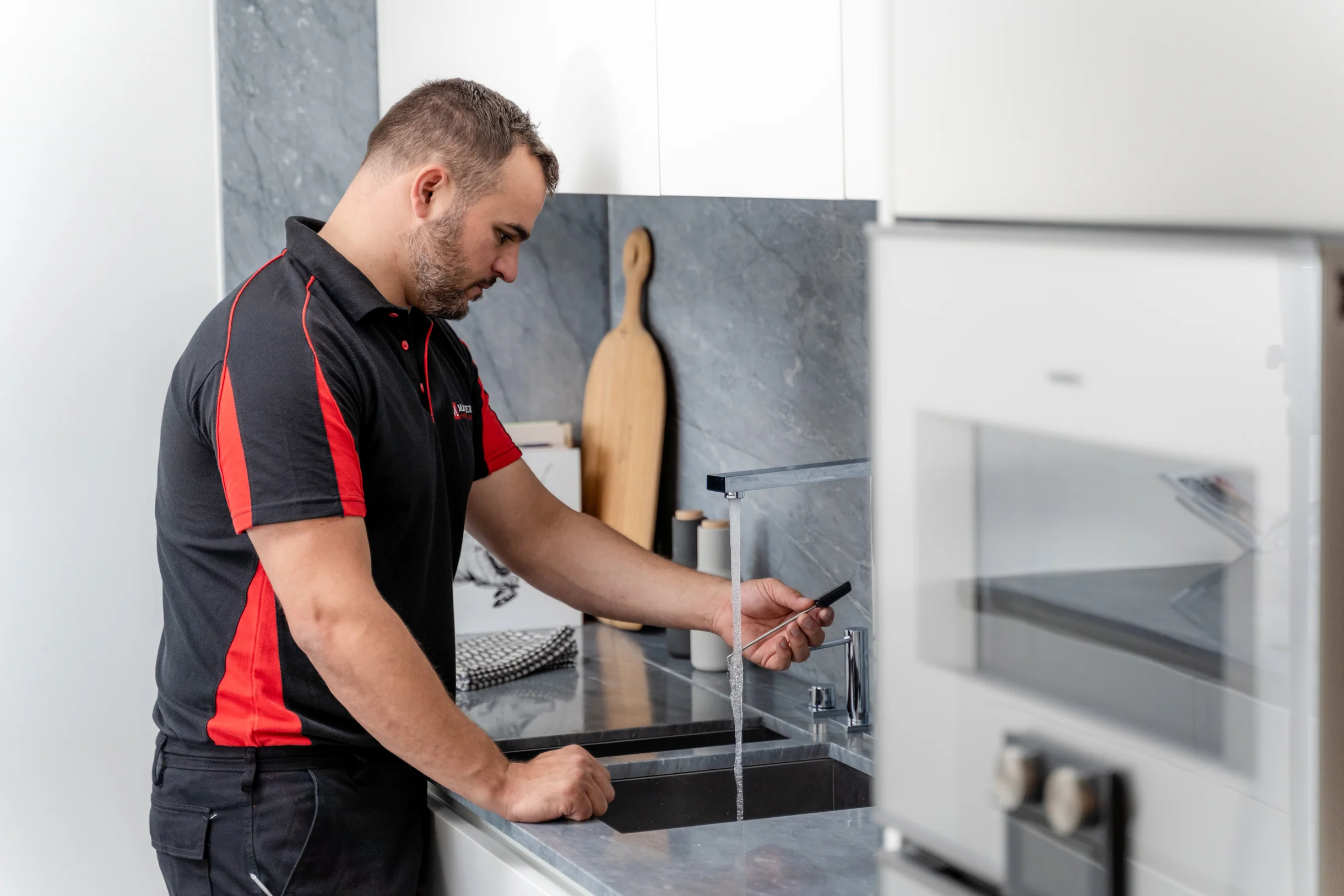
Dripping taps are only a minor issue, especially when it comes to plumbing problems to keep an eye out for. However, if ignored, a dripping tap can waste up to 5,500 litres of water per year, increasing your water bill.
This issue is usually a simple fix of washers and seals, but it can indicate ageing plumbing on older properties, so it’s worth noting it as something to fix if you see it. If there are multiple leaky faucets, it might indicate a larger problem within the plumbing system, and it would be worth seeking expert advice.
Low Water Pressure
Low water pressure affects the water flow in showers, bathroom sinks, and taps throughout the property. This is one thing to be extra cautious of when buying older houses that have an ageing infrastructure, and it could signal more serious plumbing issues within the property.
The cause of this may be leaky pipes, blocked systems, or an outdated plumbing system. When viewing a property, check the pressure across multiple outlets!
Faulty or Outdated Boilers
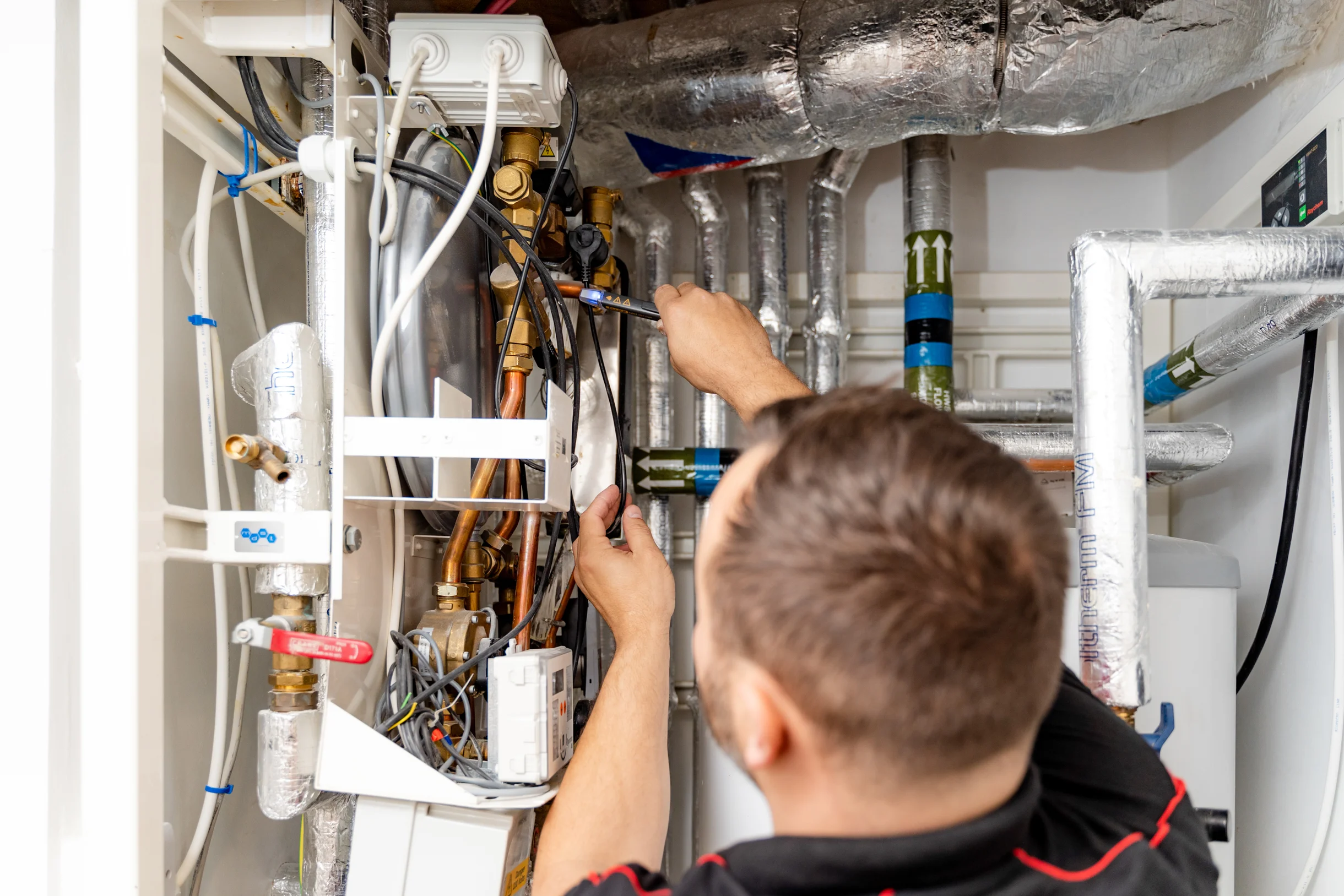
An ageing or faulty boiler system could mean that your heating and hot water system is unreliable and potentially unsafe. A boiler replacement is an expensive repair cost.
Ask estate agents for service history via the previous owner’s property information form. During viewing, check for rust and any leaks, as well as ask to test the heating and hot water.
Hidden Leaking Pipes
Hidden leaky pipes can cause structural issues and cost thousands. They will also reduce the value of a property, so it’s always worth looking out for these during the purchase process.
Leaking pipes will cause damp patches, mould growth, and ultimately lead to structural damage. These issues are not always visible during an informal survey, but if you’ve got any concerns, consider a specialised pre-purchase plumbing survey or professional report to help identify leaks.
Old or Corroded Pipework
Often found in older homes, old or corroded pipework is something to consider when looking at properties. These pipes can affect the quality of water, pressure and overall performance of the plumbing system.
We recommend a pre-purchase plumbing survey to identify these problems, so you can understand the costs involved in repairs before buying a property and exchanging contracts.
Sewer and Drainage Problems
Often hidden, this can be a big problem when buying a house, as sewer and drainage problems can be the most serious plumbing problems. Sewage backup can be caused by tree roots, blockages or damaged pipes. It’s also worth noting if there’s a septic tank, as this can require extra checks.
Clogged Toilets
A clogged toilet is usually a simple fix, and just indicates a blockage, so it’s not necessarily something to be concerned about and can be fixed with a plunger. However, frequent blockages can indicate deeper drainage problems that may need to be fixed and could cause larger issues if left unresolved. Remember to always flush during viewings!
Warning Signs of Plumbing Problems When Viewing a Property
We know how overwhelming viewing properties can be, especially when there is so much to remember! Here’s a list of signs that there could be plumbing problems so that you can look out for them during viewings.
- Look for water stains on walls or ceilings; this can indicate an active leak.
- An unpleasant, damp, musty smell.
- Slow-draining sinks or baths can indicate a blockage.
- Unusual noises from pipes.
- Inconsistent or low water pressure
- Boiler Making Strange Noises or Looking Poorly Maintained
Do Sellers Have to Disclose Plumbing Issues?
Yes, disclosing any plumbing problems is a seller’s legal responsibility when asked directly during the process. When selling, sellers have to fill out a TA6 form – this is where they have to put all known defects (including plumbing: leaking pipes, slow drainage, clogged drains, etc.)
If the seller fails to disclose problems, this can lead to a property misrepresentation claim. The seller’s legal responsibility includes providing accurate information about previous owners’ repairs, hidden leaks, boiler replacement, water heater problems, and structural issues caused by burst pipes or sewage backup.
Even with this, as a buyer, you still have the responsibility to check plumbing systems to avoid any serious problems after purchase, because the seller may not know all the issues within the property. That’s why we always recommend getting specialist surveys.
From leak detection and pipework inspections to full plumbing surveys, Masterfix provides a complete range of services to support homebuyers.
Visit our plumbing services page or get in touch with the team today to ensure your future home’s plumbing is in safe hands.